
Gas-detector field training on oil drilling rigs
Rig-site training for H₂S, CH₄, CO and CO₂ on portable and fixed detectors, bump tests and calibration.
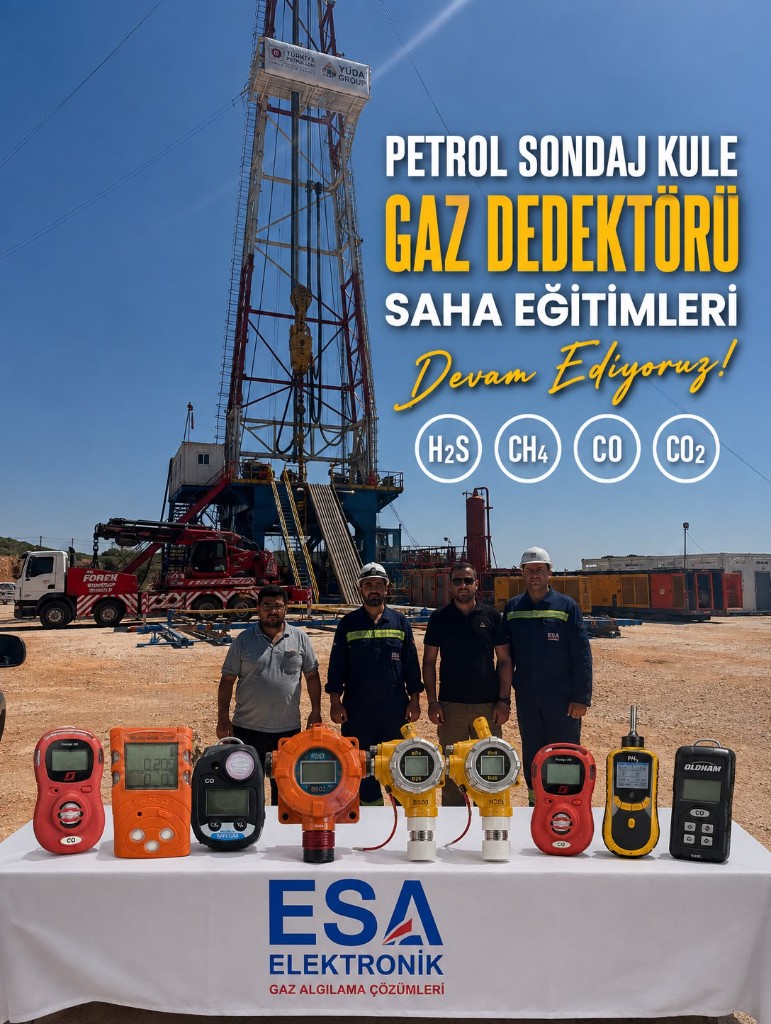
On oil and gas rigs, H₂S, methane, CO and CO₂ can come from mud, well gas and generator exhaust. ESA Elektronik field teams keep delivering training on portable and fixed detectors, bump tests and calibration at the mast site.
Which gases on site
- H₂S — well gas; lethal at low ppm; smell fatigue is dangerous.
- CH₄ — explosive atmosphere; LEL monitoring and Ex equipment.
- CO — combustion and exhaust; cabins and generator bays.
- CO₂ — oxygen displacement; pits and enclosed volumes.
What the training covers
Power-up, alarm set-points, fresh-air zero, hose sampling, how a personal detector sits on the body, and where fixed heads belong on the mast and mud tanks. Bump test every shift; periodic calibration in the lab or on site under TURKAK procedure. Training does not replace a calibration certificate — both belong in the H&S file.
For rig, OSB or construction-site training send a date, headcount and instrument models. Field calibration can be planned on the same visit.
Request a calibration quote · TURKAK gas calibration · 0312 385 52 81 · 0533 659 91 60
Customer reviews
Share your experience
No published reviews yet. Be the first to write one.
More articles
Keep reading
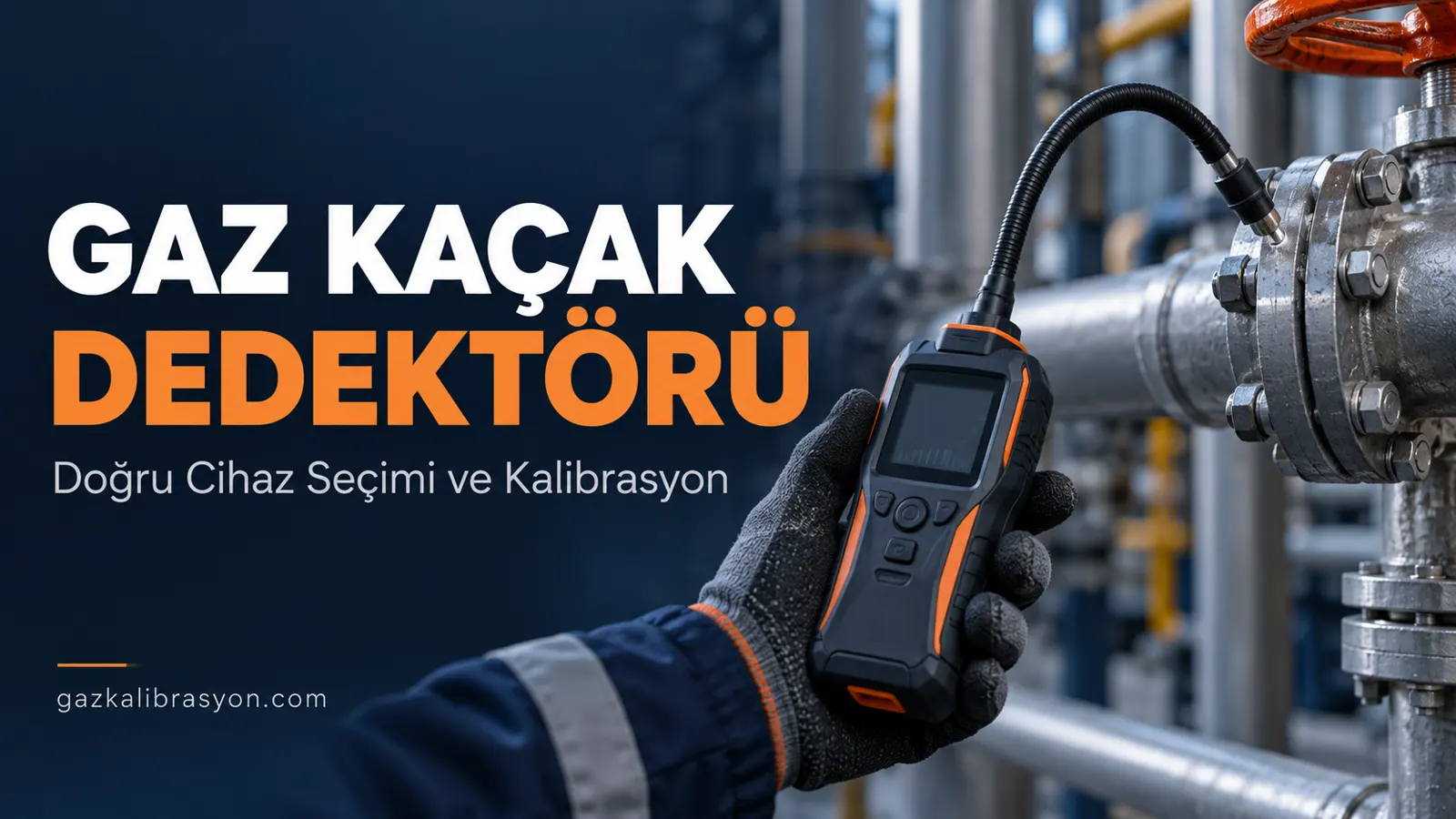
Gas Leak Detector Guide: Choosing the Right Device and Understanding Calibration
Learn how to choose a gas leak detector for your application and understand the importance of gas compatibility, functional testing and calibration.
· 5 dk
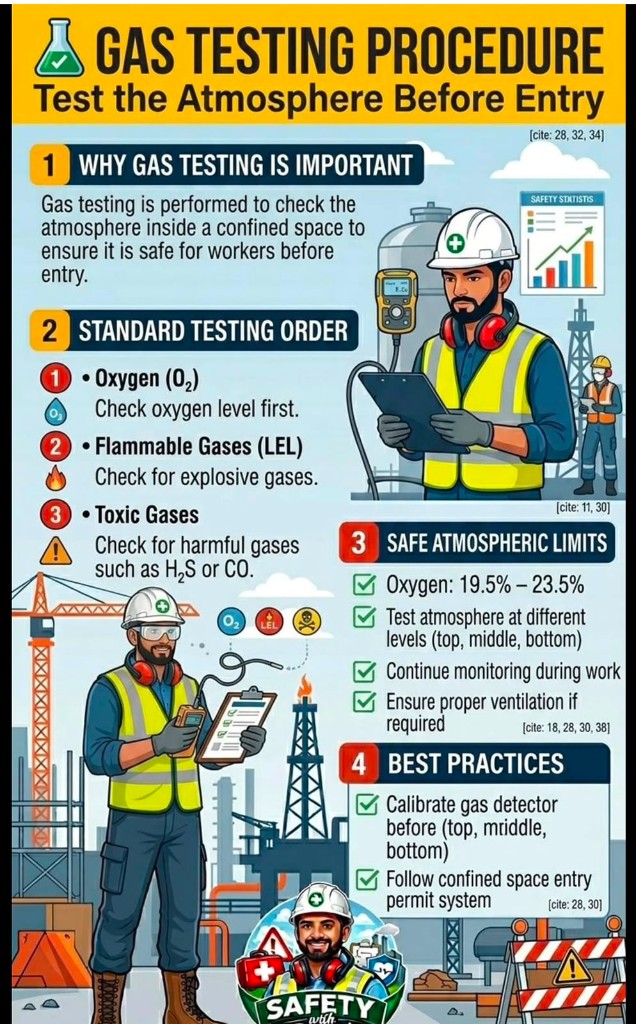
Gas testing before confined-space entry
Before entry, test oxygen, LEL then toxics. A calibrated gas detector is part of confined-space safety.
· 9 dk
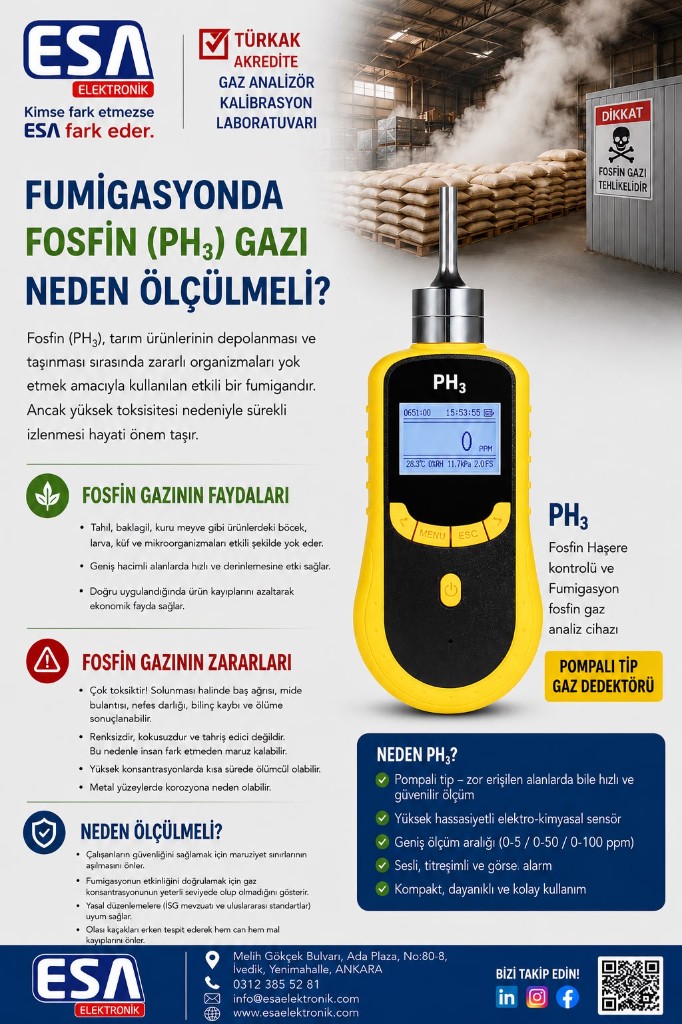
Why measure phosphine (PH₃) during fumigation?
Phosphine is effective in grain fumigation but highly toxic. Pump PH₃ detectors and calibration.
· 8 dk