
When should we have instruments calibrated?
Calibrate on new instruments, after shock, on doubtful readings and at the manufacturer interval.
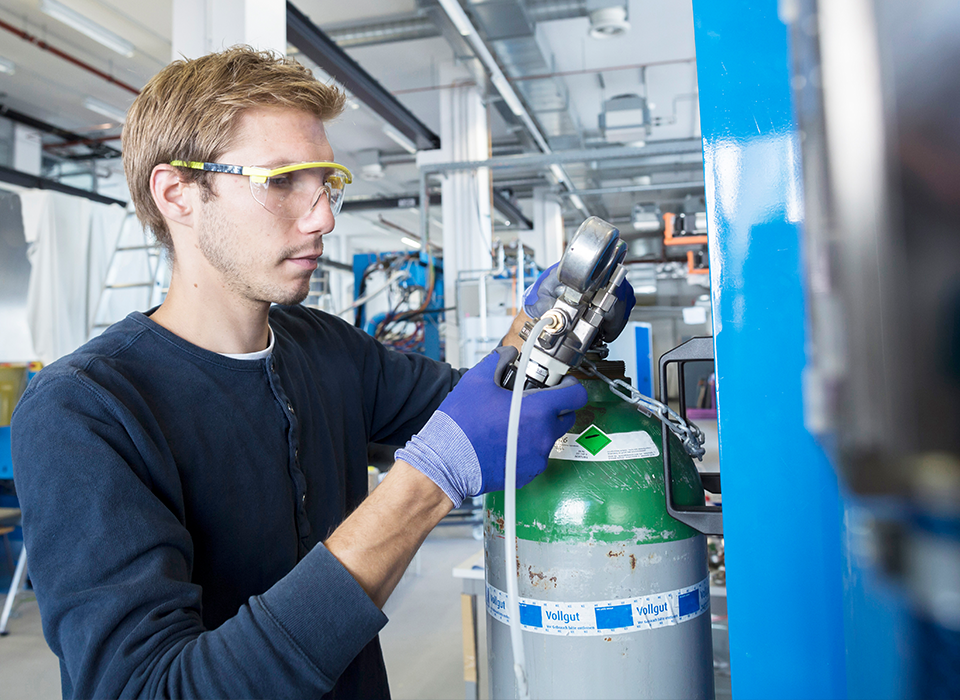
Calibrate when an instrument is new, after use outside the manual, after a functional fault, neglected maintenance, unauthorised adjustment, doubtful or wrong readings, or mechanical shock.
Wrong measurements cost time, labour, money and reputation. Preventive maintenance, repair and calibration extend instrument life and reduce repair and replacement spend.
Read the manufacturer interval (often 6–12 months for gas detectors) together with the site risk assessment. Recalibrate immediately after cell replacement or firmware updates. ESA offers laboratory and field options in the same quality system.
Images
Customer reviews
Share your experience
No published reviews yet. Be the first to write one.
More articles
Keep reading
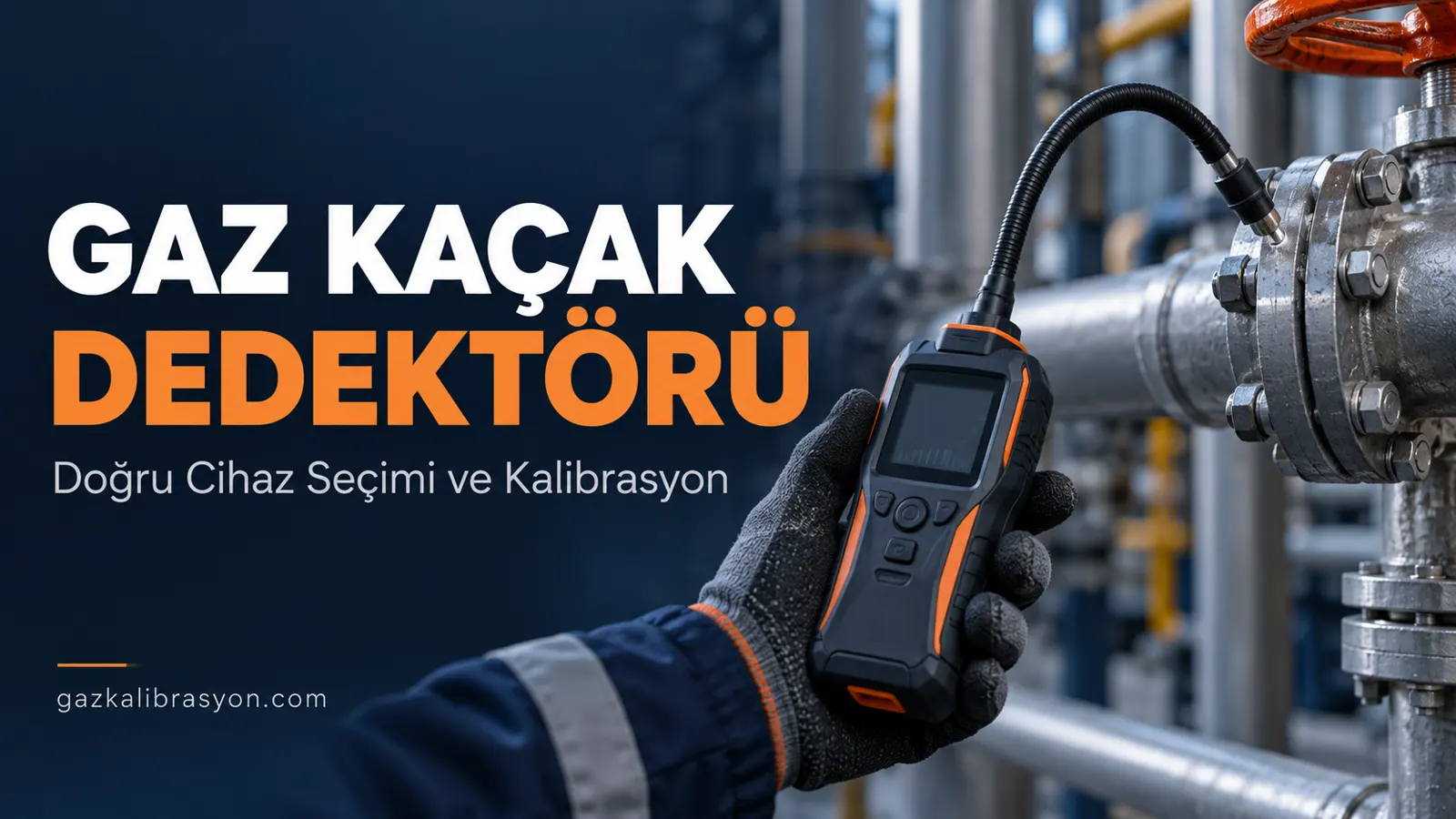
Gas Leak Detector Guide: Choosing the Right Device and Understanding Calibration
Learn how to choose a gas leak detector for your application and understand the importance of gas compatibility, functional testing and calibration.
· 5 dk
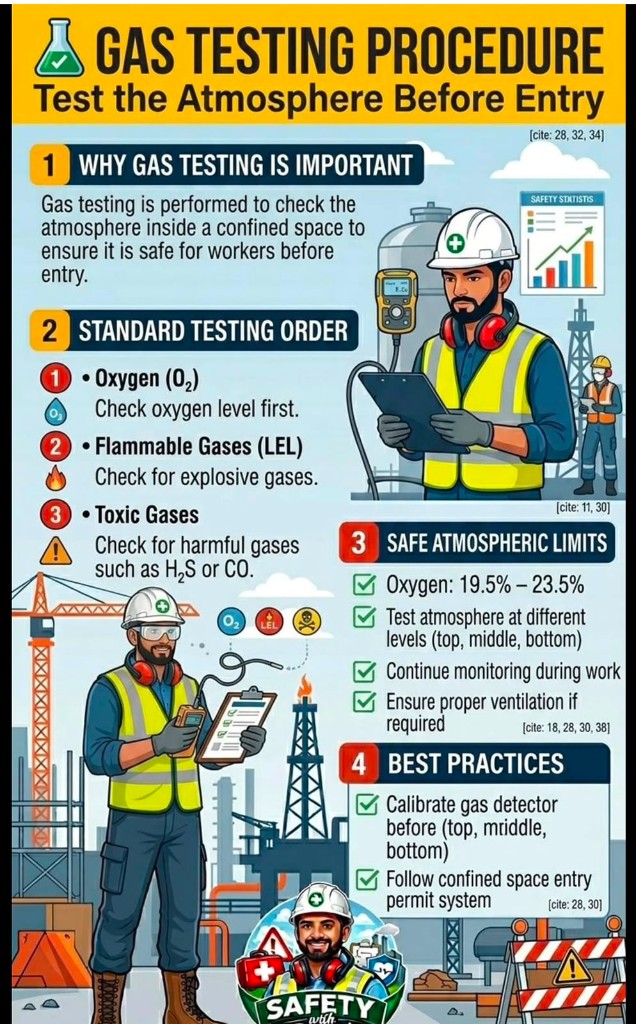
Gas testing before confined-space entry
Before entry, test oxygen, LEL then toxics. A calibrated gas detector is part of confined-space safety.
· 9 dk
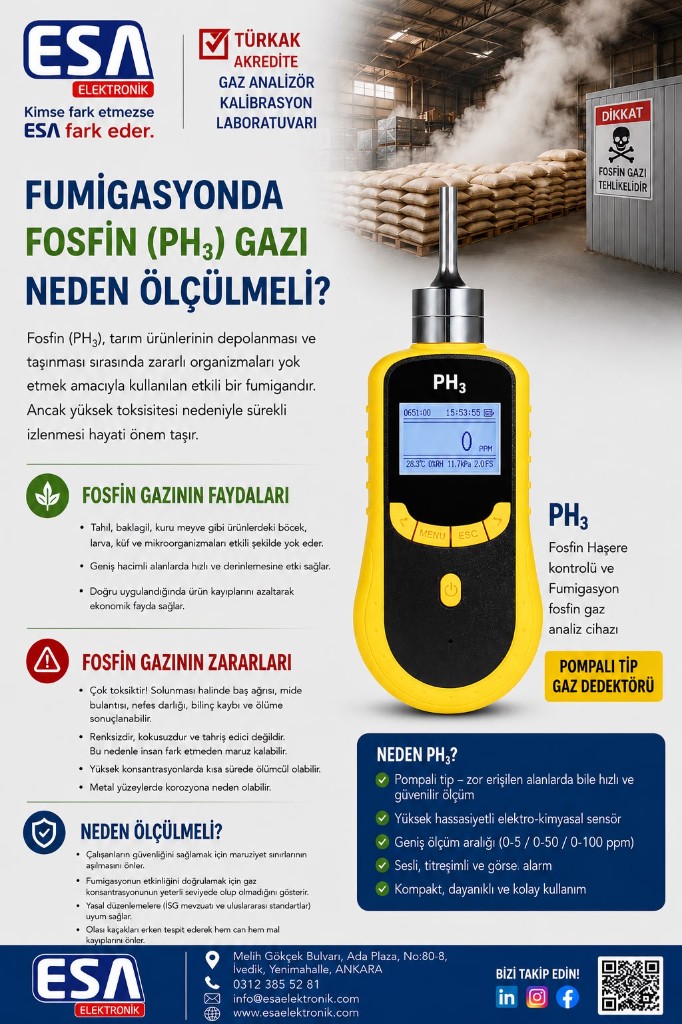
Why measure phosphine (PH₃) during fumigation?
Phosphine is effective in grain fumigation but highly toxic. Pump PH₃ detectors and calibration.
· 8 dk